

what are the major problems a humidifier could solve when purchased ?
A humidifier can help solve several common problems caused by dry indoor air. Here are the major issues it can address:
1. Dry Skin, Lips, and Hair
Low humidity pulls moisture from your skin and hair, causing:
-
Itchy, flaky skin
-
Chapped lips
-
Dry, brittle hair and scalp irritation
2. Respiratory Discomfort
Dry air can irritate your airways, leading to:
-
Sore throat
-
Dry cough
-
Nasal irritation
-
Difficulty breathing for people with asthma or allergies
Adding moisture helps keep airways lubricated and can ease symptoms.
3. Increased Risk of Illness
Viruses (like cold and flu) survive longer and spread more easily in dry environments.
A humidifier helps maintain ideal humidity (40–60%), which reduces virus survival and supports your immune system by keeping nasal passages moist.
4. Sleep Problems
Dry air can cause snoring, mouth breathing, coughing, and throat dryness at night.
Humidifiers often improve sleep quality by keeping the air comfortably moist.
5. Damage to Wood Furniture and Flooring
Low humidity pulls moisture from wood, causing:
-
Cracking
-
Warping
-
Splitting
-
Gaps in hardwood floors
Humidifying the air protects wood materials.
6. Static Electricity
Dry environments increase static buildup, which can be annoying and even damaging to electronics.
Humidifiers reduce static by adding moisture to the air.
7. Plant Health Issues
Many indoor plants prefer moderate humidity; dry air can cause:
-
Browning leaf tips
-
Slow growth
-
Dropping leaves
Humidity helps plants thrive.
8. Issues for Musical Instruments
Instruments made of wood—like guitars, violins, and pianos—can warp, crack, or go out of tune with low humidity.
A humidifier helps maintain stable conditions.
Humidity-Related Problems (and How Humidifiers Help)
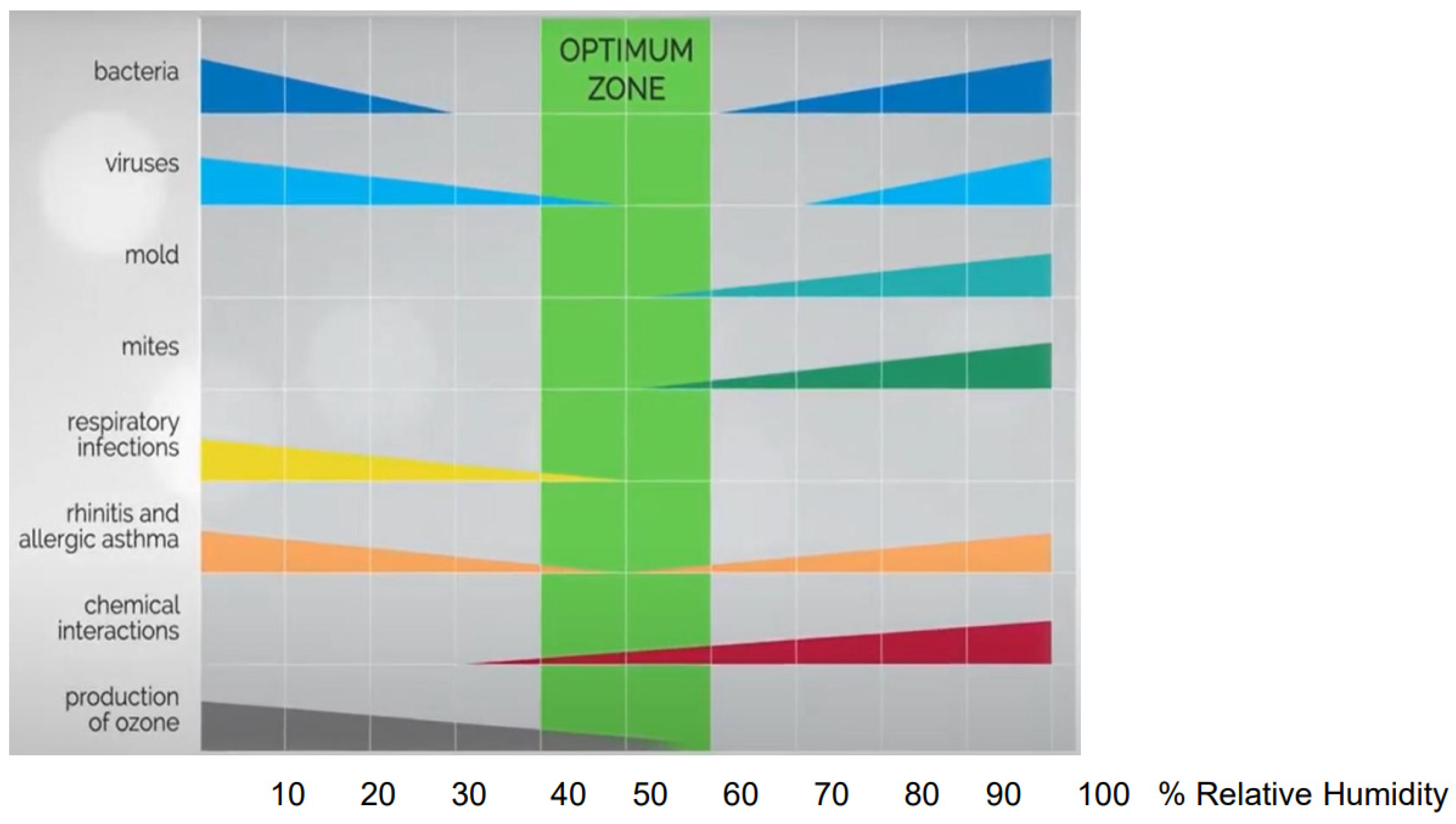
Low Humidity → Dry Skin, Nasal & Respiratory Discomfort


-
A study on indoor environments found that when relative humidity is low (17–40%), people reported increased “skin symptoms and nasal dryness and congestion.” PubMed
-
When humidity was increased — via humidification — these symptoms (skin dryness, pharyngeal dryness, nasal dryness/congestion) were noticeably reduced. PubMed
Interpretation: A humidifier helps maintain a more comfortable humidity (~ 40 – 50% RH or slightly above) to reduce dryness of skin, throat, nose and mucous membranes — alleviating dryness, irritation, sore throat, nasal discomfort.
Humidity & Respiratory Health — Infection Risk, Mucosal Protection
-
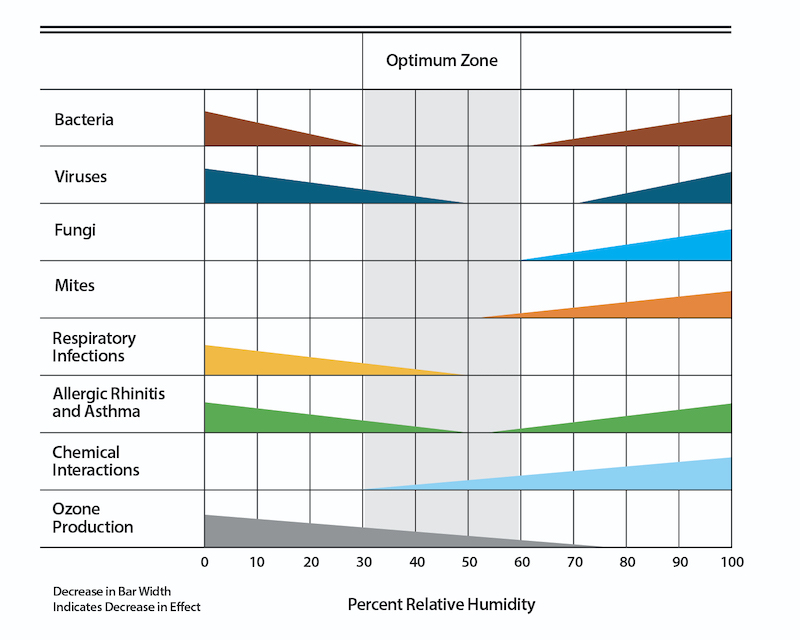
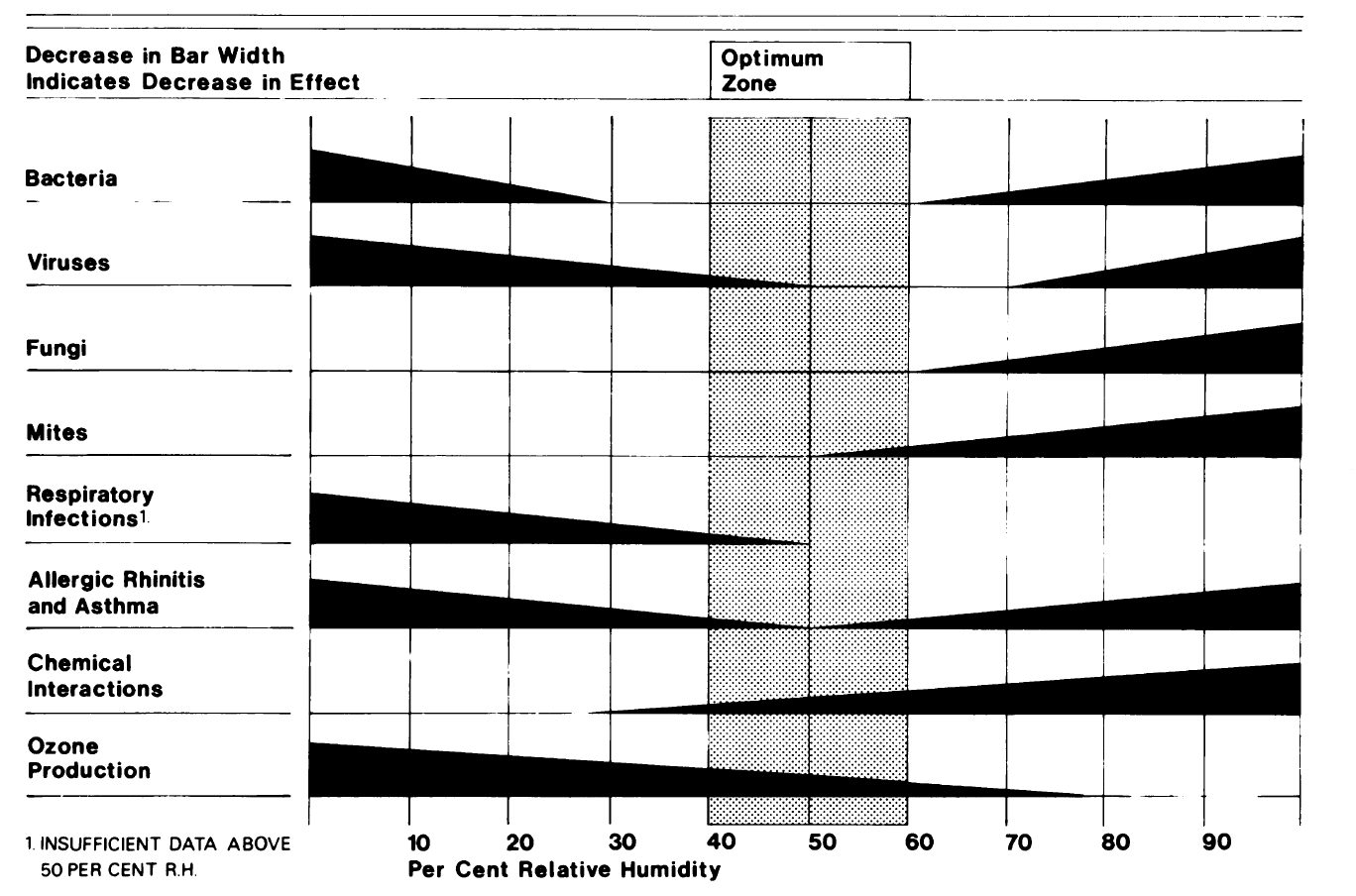
Reviews of indoor-humidity research show that many airborne viruses and bacteria have lower survival or infectivity when indoor relative humidity is maintained between ≈ 40% and 70%. PubMed+2Condair Group+2
-
For instance, in a hospital-setting study during heating season, increasing indoor humidity from 25–35% to about 40–45% significantly decreased sensations of dryness, static electricity, and airway symptoms among staff. PubMed
Interpretation: A humidifier can help maintain humidity in a range less conducive to virus/bacterial survival — possibly reducing risk of respiratory infections, sinus problems, and improving mucosal defense (nasal and bronchial mucus stays moist and functional).
Indoor Humidity & Comfort / Static Electricity / Building Materials

-
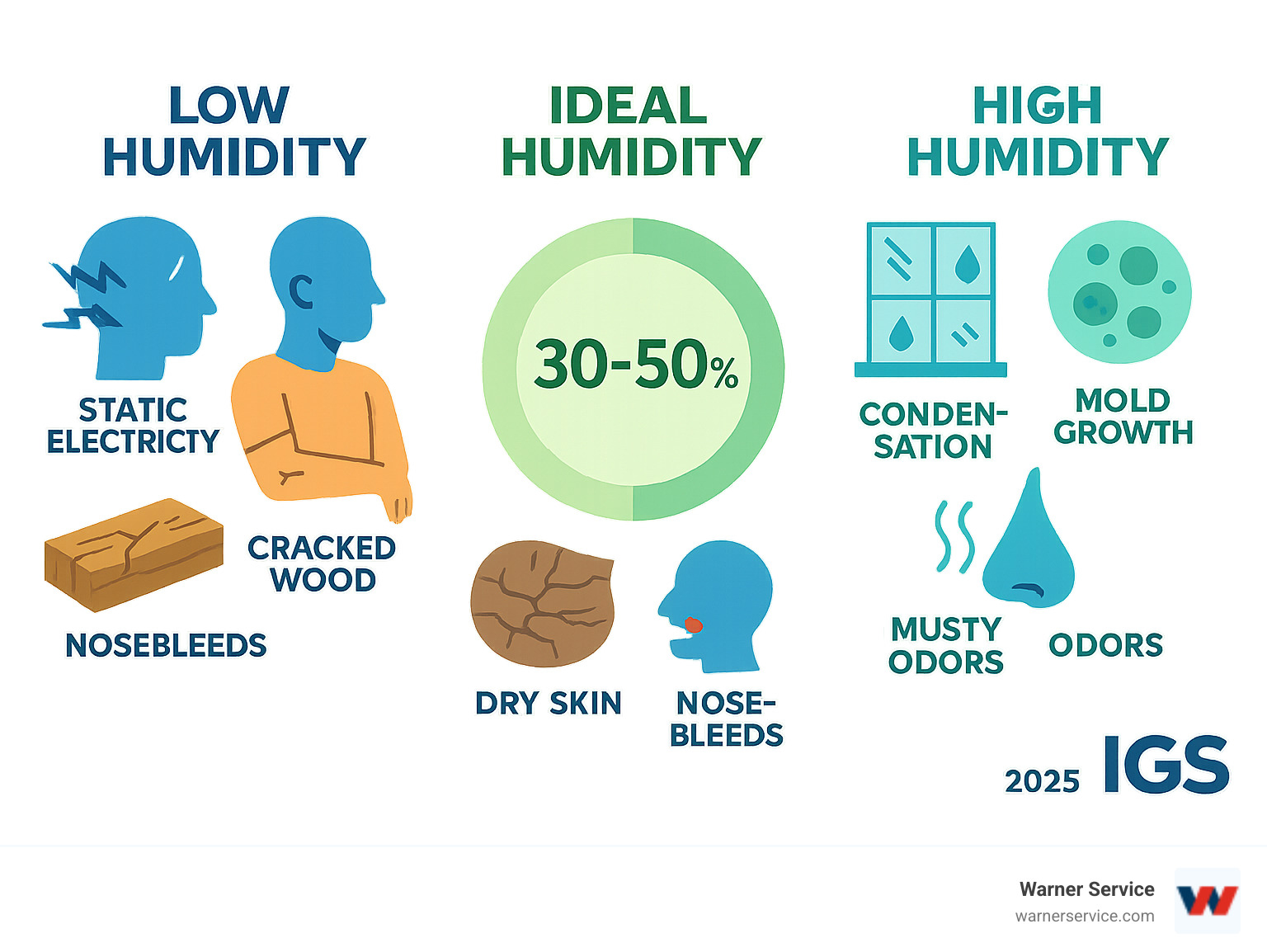
Low indoor humidity often results in static electricity — which can lead to frequent static shocks and can be annoying or damaging for electronics. HeatPumps.ca+1
-
Dry air pulls moisture from materials: wooden furniture, floors, musical instruments or leather items can dry out, shrink, warp or crack over time. HeatPumps.ca+1
-
Maintaining moderate humidity helps preserve such materials and improves overall indoor comfort. HeatPumps.ca+1
Interpretation: A humidifier doesn’t just help people — it also helps maintain a stable environment for your home (furniture, wood, electronics), and reduces static discomfort.
Why Graphs & Data Matter
-
They show that many problems (dry skin, irritation, infection risk, discomfort) tend to cluster when relative humidity drops below ~30–35%. Sustaining a mid-range humidity (roughly 40-60% RH) tends to correspond with fewer of those problems.
-
Graphs from controlled studies and long-term epidemiological data help ground the idea that humidifiers — when used properly — aren’t just about “feeling cozier,” but really about health, comfort, and home preservation.
How a Humidifier Can Elevate Your Mood When You Just Want to Chill
1. It Makes the Air Feel Softer and More Comfortable
Dry air can feel harsh, making your skin tight, your throat scratchy, and your breathing slightly uncomfortable.
When you fix that, you instantly feel more at ease—like slipping into comfy clothes.
Result:
You relax faster. Your body isn’t low-key irritated by the air.
2. Better Breathing = Better Mood
When humidity is in the sweet spot (about 40–60%), your airways stay moist.
This can improve:
-
Deep breathing
-
Calmness
-
Stress levels (deep breathing lowers cortisol)
Result:
Your chill session actually feels chill—your body can fully relax.
3. It Helps You Sleep or Nap More Comfortably
If you're relaxing at night or taking a quick nap, a humidifier can help you:
-
Stop waking up with a dry mouth
-
Avoid coughing fits
-
Sleep more deeply
Result:
Better sleep → better mood. Even 20 minutes of good rest can boost serotonin.
4. It Enhances the “Vibe” of the Room
Humidifiers add a sensory element to your environment:
-
A gentle mist
-
A soft humming sound (white noise)
-
Often calming lights or essential-oil trays (in some models)
Result:
Your space feels spa-like, warm, cozy, and safe—perfect for chilling.
5. It Reduces Subtle Stressors You Don’t Notice
Dry air can cause:
-
Itchy skin
-
Dry eyes
-
Chapped lips
-
Static shocks
-
A tight or stuffy feeling
You may not consciously think about these problems, but your nervous system feels them.
Result:
When those micro-irritations disappear, your mood automatically lifts.
6. It Helps Aroma Diffusion (If You Use Scents)
If your humidifier supports essential oils (or if you use a separate diffuser), moisture helps scents travel more softly and evenly.
Calming scents like:
-
Lavender
-
Chamomile
-
Eucalyptus
-
Vanilla
-
Sandalwood
…can all boost your mood and make chilling feel intentional.
7. It Creates a “Cozy Weather” Feeling
Ever notice how relaxing it feels right before a rainstorm?
That moist, heavy, soothing air? Humidifiers replicate that in a controlled way.
Result:
You get that “rainy day cozy chill” without needing the rain.
🌙 Summary: The Mood-Boosting Effects
A humidifier helps you relax by:
-
Making the air feel soft and breathable
-
Enhancing your room’s vibe
-
Reducing physical irritation
-
Aiding calm breathing
-
Supporting deeper naps
-
Improving scent distribution
-
Creating a peaceful sensory environment
Basically, it makes your room feel like a retreat, not just a room.