

How to Groom a Dog at Home Safely
Table of Contents
- Prepare Your Space and Gather Grooming Tools
- How to Bathe a Dog at Home
- Brushing and Detangling Your Dog's Coat
- How to Trim Dog Nails Safely
- How to Groom an Anxious Dog
- Safety Precautions and When to Stop
- When to Call a Professional Groomer
- Frequently Asked Questions
Last Updated: October 6, 2026
Prepare Your Space and Gather Grooming Tools
Learning how to groom a dog at home safely starts before you touch a brush or clipper. A dedicated space, the right tools, and a calm environment set the stage for success.
Setting Up a Safe Grooming Area
Your grooming space should be clean, non-slip, and free from distractions. A bathroom or laundry room works well because you can contain water and fur easily. Wet tile can stress your dog and create safety risks.
A grooming table keeps your dog at a comfortable working height and prevents you from straining your back.

Set up supplies within arm's reach before you start, and keep sharp tools in a designated spot where a nervous dog can't knock them over.
Essential Dog Grooming Tools for Beginners
You don't need an expensive toolkit to start. Focus on quality basics that won't break mid-groom.
Essential tools:
- A good brush for your dog's coat type
- A comb for detangling
- Dog nail clippers or a grinder
- Dog shampoo and conditioner
- Towels and a drying tool
- Grooming scissors (optional for beginners)
The pet grooming brush with wooden handle works for both short and long-haired dogs.
For nail care, the USB rechargeable dog nail grinder offers a low-noise option that many dogs tolerate better than clippers. It features a 2-speed motor and three grinding ports for different nail sizes.
Start with these basics. First-time shoppers at Dream Deal Shop can get 10% off your first order when you stock up on grooming essentials.
How to Bathe a Dog at Home
Bathing removes dirt, loose fur, and oils that build up between professional visits, making brushing easier and keeping your dog's skin healthy.
Water Temperature and Coat Protection
Use lukewarm water and test it on your wrist first. Hot water dries out the skin; cold water stresses anxious dogs.
Wet your dog from the neck down, working toward the tail, and avoid spraying water in the ears or face. Use a washcloth to gently clean the face.
Apply dog shampoo, massage gently to avoid matting, and rinse thoroughly, leftover shampoo causes itching. Follow with conditioner for long or thick coats.
Drying and Post-Bath Care
Squeeze excess water gently, wrap your dog in a towel, and let them shake. Towel-dry thoroughly, especially folds and creases where moisture lingers.
For long-haired dogs, use a pet dryer on low while brushing gently, high heat damages the coat. Short-haired dogs often dry fine with towels alone.
Once dry, brush through the entire coat to prevent matting. This is the best time to catch tangles before they become mats.
Brushing and Detangling Your Dog's Coat
Regular brushing removes loose fur, prevents matting, and lets you spot skin issues early. Short-haired dogs need it weekly; long-haired breeds benefit from daily sessions.
Use a brush suited to your dog's coat and gentle strokes in the direction of hair growth. Brushing against the grain irritates the skin.

For tangles, start with a wide-toothed comb and work from the outside toward the center, holding the hair base close to the skin so you don't pull painfully.
Managing Shedding and Matting Risks
Loose fur coming out during brushing is normal and healthy. Regular brushing reduces shedding at home and prevents mats.
Mats are dense clumps of tangled hair that trap moisture and harbor bacteria, causing discomfort and skin infections. Prevention is far easier than removal.
How to prevent matting:
- Brush before bathing, not after
- Dry long-haired dogs completely with a brush
- Check behind ears and under armpits weekly
- Use a mat splitter if you find small tangles early
If matting is severe, it's safer to see a professional groomer rather than risk cutting the skin while removing mats.
How to Trim Dog Nails Safely
Long nails cause discomfort and can curl into the paw pad. Trim every 4-6 weeks, you'll know it's time when you hear clicking on hard floors.
Nail Care Tools and Technique
Dog nail clippers come in scissor-style and guillotine-style. Both work well, choose whichever feels comfortable in your hand.
Trim only the clear or light part of the nail and avoid the pink quick, which contains blood vessels. For dark nails, trim small amounts and stop if you see a dark spot in the center.
A dog nail grinder is a gentler alternative. It files the nail gradually, reducing the risk of hitting the quick.
Hold your dog's paw firmly but gently, trim at a slight angle following the nail's natural curve, and give breaks between nails.
Ear, Eye, and Paw Care
Check ears for redness, discharge, or odor, which signal infection. Wipe the outer ear with a damp cotton ball and never insert anything into the ear canal.
Eyes should be clear and bright; discharge or redness means a vet visit. Some breeds benefit from trimming fur around the eyes.
Adjustable Foldable Pet Grooming Table | Dog & Cat Bathing, Nail Clipping →
Trim fur between the toes carefully with small scissors and check for cuts or irritation. In winter, rinse paws after walks to remove salt and ice.
How to Groom an Anxious Dog
Some dogs panic during grooming. Recognizing stress signals, panting, trembling, trying to escape, nipping, lets you stop before your dog becomes truly frightened.
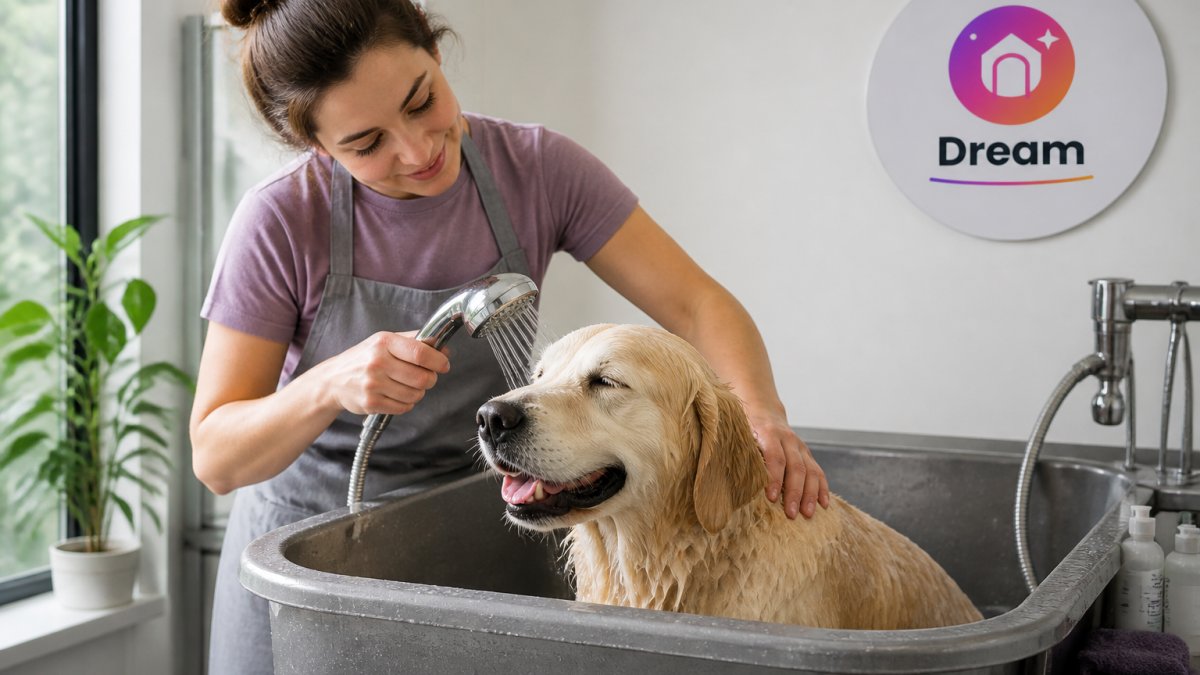
Recognizing Stress Signals and Taking Breaks
Anxiety looks different in every dog. Watch for these early warning signs:
- Yawning when not tired
- Lip licking when not hungry
- Whale eye (white showing around the iris)
- Trembling or shaking
- Tail tucked tightly against the body
- Ears pinned back or flattened
- Panting heavily when the room is cool
- Freezing in place or refusing to move
- Trying to hide or escape
- Growling, snapping, or air-snapping
If you see any of these, stop and let your dog relax. Never force a frightened dog to continue, pushing through panic teaches your dog that grooming is scary. Short, positive sessions build confidence over time.
Work at your dog's pace, five-minute sessions are fine at first. Consistency matters more than speed.
Desensitization and Positive Reinforcement
Let your dog sniff the brush, see the clippers, and touch the grooming table before you use anything, so tools feel normal and safe.
Reward calm behavior with treats and praise, if your dog sits calmly while you brush one paw, stop and celebrate. Use high-value treats like chicken or cheese so grooming becomes associated with good things.
Gradually build up: bathe for two minutes, dry for one, then extend slightly next time. Your dog learns grooming isn't threatening.
Creating a Calm Environment
Set up away from other pets and loud noises. Soft music or white noise masks scary sounds, a comfortable temperature helps, and a non-slip surface makes your dog feel secure.
For highly anxious dogs, a pheromone spray or Thundershirt-style wrap can take the edge off. Introduce new aids slowly and watch for discomfort.
Safety Precautions and When to Stop
Scissors, clippers, and grinders can cause serious cuts if misused. Treat every tool as potentially dangerous.
Handling Scissors, Clippers, and Sharp Tools
Always point scissors and clippers away from your dog's body and keep fingers clear of the blade path, one sudden movement can cause injury.
Scissor safety: Use rounded safety tips for face and paw work.
Clipper safety: Check blades for heat every few minutes, if too warm for your wrist, it's too warm for your dog.
Grinder safety: Use low speed and light pressure, letting the grinder do the work.
Store sharp tools in a secure drawer or container, out of reach of dogs and children.
When to Stop Grooming Immediately
Stop grooming and give your dog a break if you see any of these signs:
- Trembling or shaking that doesn't stop when you pause
- Whale eye (white showing around the iris) or wide, staring eyes
- Lip licking or yawning when not tired or hungry
- Growling, snapping, or air-snapping
- Trying to escape or freezing in place
- Panting heavily when the room is cool
- Tail tucked tightly against the body
If your dog shows any of these, stop immediately. Don't push through. A short, positive session is better than a traumatic one. Try again later or the next day.
Special Considerations for Puppies, Senior Dogs, and Health Issues
Puppies have sensitive skin and limited patience. Keep sessions to five or ten minutes, use gentle techniques, and avoid rough handling while their joints develop.
Senior dogs may have arthritis or mobility issues. A supportive grooming table prevents strain, so avoid lifting or stretching joints. If your dog seems in pain, stop and consult your vet, and use non-slip mats with padding for bony areas.
Ask your vet before grooming a dog with skin conditions, ear infections, or recent surgery, some conditions need professional handling.
When to Call a Professional Groomer
At-home grooming works for basic maintenance, but some situations call for a professional.
Call a groomer if:
- Your dog has severe matting you can't untangle
- You're uncomfortable trimming nails or using clippers
- Your dog has a health condition that makes handling difficult
- You need breed-specific cuts or styling
- Your dog's anxiety is too severe for you to manage safely
Professional groomers have experience with anxious dogs and special equipment. Asking for help is the right call for your dog's safety and wellbeing.
Frequently Asked Questions
How often should you bathe and brush your dog?
Bathing frequency depends on your dog's coat type and lifestyle. Most dogs benefit from a bath every 4-8 weeks, though dogs with oily coats or those who play outdoors may need more frequent bathing. Brushing should happen 2-3 times weekly for short-haired dogs and daily for long-haired breeds to prevent matting and manage shedding. Regular brushing also distributes natural oils and keeps the coat healthy.
What are some common dog grooming mistakes to avoid?
Avoid bathing in water that's too hot, which can irritate skin. Don't clip nails too short or at the wrong angle, as this causes bleeding and pain. Never use human shampoo on dogs, as it disrupts their skin pH balance. Don't rush through grooming or ignore stress signals your dog shows. Skipping regular brushing leads to severe matting that's painful to remove. Always secure your dog safely during grooming to prevent falls or injuries.
How can you keep a dog calm during grooming?
Start grooming sessions when your dog is relaxed, and use treats and praise throughout. Take frequent breaks and work at your dog's pace. Keep the environment quiet and calm, and avoid sudden loud noises. Desensitize your dog gradually by letting them explore grooming tools before using them. Use a soft, reassuring voice and handle your dog gently. If your dog shows severe anxiety or aggression, consult a professional groomer or veterinarian.
When should you take your dog to a professional groomer?
Consider professional grooming if your dog has a thick, curly, or double coat that's difficult to manage at home, or if they have severe matting that requires expert care. Dogs with health issues, extreme anxiety, or aggression may be safer with professionals trained in handling difficult cases. If you're uncomfortable with nail trimming or scissoring, professionals have the skill and tools to do it safely. Professional groomers can also identify skin or coat issues you might miss.
For at-home grooming supplies, Dream Deal Shop offers grooming tools and tables designed for safe, comfortable sessions. First-time customers get 10% off their first order. Shop today's drop now to secure quality grooming gear before items sell out.